





Best Guest Post Services in UK for 2027
Oct 11, 2026 · @Amir Nazir The best guest post service for a UK business in 2027 is the one whose readers match your customers. A link on a site nobody in your market reads does little. An article on a site they do read brings visits, enquiries and a mention that search engines and

Agents are coming for the ERP screen, and that changes how you pick a Dynamics partner
Late in 2024, Satya Nadella made a remark on a podcast that business software vendors have been chewing over ever since. Paraphrased, his argument was that traditional business applications are essentially databases with business logic on top, and that in an agent-driven world much of that logic will move out of the application and into
Cat6 vs. Cat6A Toronto Cabling — Which Should Your Office Install Now?
Every Toronto cabling project reaches the same decision point. Should the new network run on Cat6 or Cat6A, and which one fits your office right now? Both cables look almost identical on the wall, yet they behave very differently once the network gets busy. Each one carries gigabit speeds with ease, and the real difference
Edge Computing Beyond Speed: Where Local Intelligence Creates Bigger Value
The digital world is producing an unprecedented amount of data every second. From smart factories and connected vehicles to wearable health devices and intelligent cities, information is generated continuously. Traditionally, this data has been sent to centralized cloud servers for processing. While cloud computing remains essential, the growing demand for real time decisions has fueled
Exploring The Future Of Smart Digital Security Solutions
Digital security has become one of the most important aspects of modern life. Individuals, businesses, educational institutions, and governments rely on digital platforms to store valuable information, communicate efficiently, and complete daily tasks. As technology continues to evolve, cyber threats are also becoming more sophisticated. This has created a growing demand for smart digital security
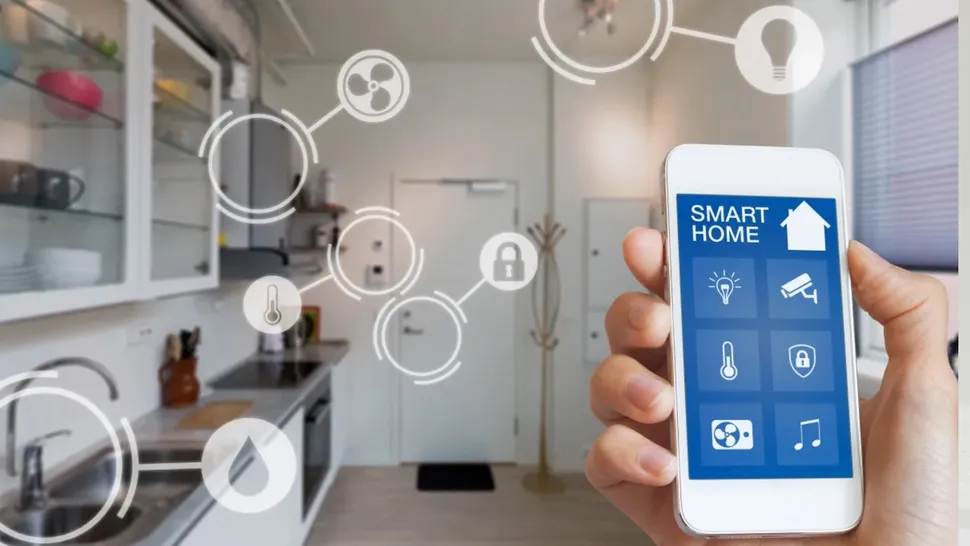
Smart Home Device Interoperability Problems After Matter Standard Was Supposed to Fix
The promise sounded simple: buy the bulb, scan the code, pick your favorite app, and stop caring which logo sits on the box. The Matter Standard did solve part of that mess by giving many devices a common way to talk across Apple Home, Google Home, Alexa, and SmartThings. Yet a lot of American households
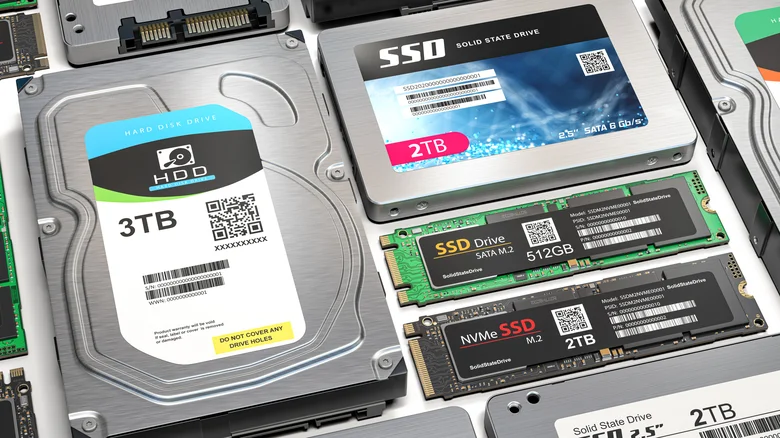
Solid State Drive Versus Hard Drive Performance and Longevity Comparison
A slow computer rarely feels slow in one single way. It stalls when you open a browser, drags when Windows starts, and makes a simple file search feel older than the machine itself. That is why hard drive performance matters so much for everyday U.S. buyers comparing storage choices for laptops, desktops, gaming PCs, and

Thunderbolt 5 Speed Improvements and Which Devices Actually Benefit Most
A faster port sounds simple until you plug in the same old mouse, keyboard, printer, and webcam. Thunderbolt 5 speed matters most when your desk already moves heavy data, pushes high-resolution screens, or turns a thin laptop into a serious work machine. For many U.S. buyers, that means video editors, photographers, engineers, gamers, podcasters, and

Autonomous Drone Delivery Technology Regulatory Hurdles Slowing Commercial Deployment
Most Americans do not reject packages arriving by air; they reject surprises over their roof, especially when nobody explained the route first. Drone Delivery Technology is still moving slower than the hardware suggests because U.S. rules ask a harder question than “Can it fly?” Regulators want to know who watches the aircraft, how it avoids
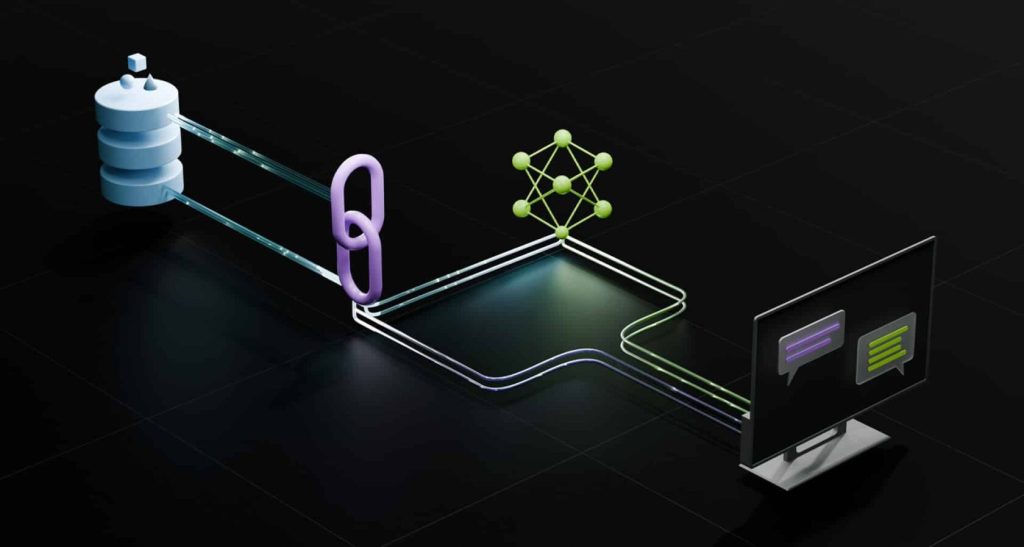
Retrieval Augmented Generation Technology Improving AI Answer Accuracy Significantly
AI does not fail only because it lacks intelligence. It often fails because it answers from memory when the question demands evidence. Retrieval Augmented Generation gives a language model a better habit: look up the right material first, then answer from that material instead of guessing. That shift matters for Americans using AI at work,