


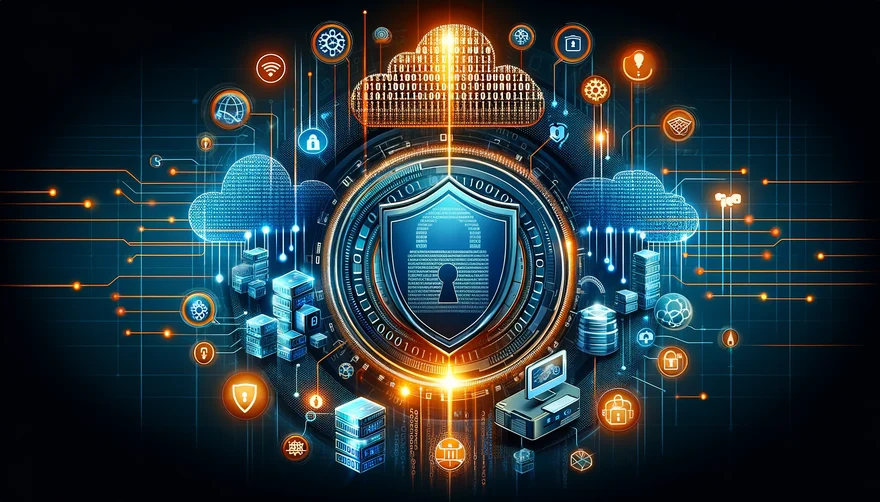
Digital security has become one of the most important aspects of modern life. Individuals, businesses, educational institutions, and governments rely on digital platforms to store valuable information, communicate efficiently, and complete daily tasks. As technology continues to evolve, cyber threats are also becoming more sophisticated. This has created a growing demand for smart digital security solutions that can adapt to changing risks while protecting sensitive data in real time.
Why Smart Security Is Becoming Essential
Traditional security methods are no longer enough to defend against modern cyberattacks. Password based protection and standard antivirus software still have value, but they are often complemented by more advanced technologies. Artificial intelligence, machine learning, and behavioral analytics now play a significant role in identifying suspicious activities before they become major security incidents.
Many organizations are investing in intelligent security systems that continuously monitor networks, detect unusual behavior, and respond automatically to potential threats. These systems reduce response times and minimize the damage caused by cybercriminals.
Artificial Intelligence Is Reshaping Cybersecurity
Artificial intelligence has transformed how digital security operates. Instead of relying solely on predefined rules, AI powered systems analyze massive amounts of information to identify patterns that humans might overlook. This proactive approach enables businesses to detect malware, phishing attempts, and unauthorized access much earlier.
As governments expand online public services, secure digital platforms become increasingly important. Services associated with rtps bihar download demonstrate how users increasingly depend on secure online systems for accessing official documents and digital services. Protecting such platforms requires strong authentication methods, encrypted communication, and continuous security monitoring.
The Growing Role of Cloud Security
Cloud computing has made it easier for organizations to access data from anywhere in the world. However, storing sensitive information in the cloud also introduces new security challenges. Companies must ensure that their cloud providers offer advanced encryption, identity management, and regular security updates.
Modern cloud security solutions include automated backups, multi factor authentication, and real time monitoring. These features help prevent unauthorized access while maintaining business continuity even if a cyberattack occurs.
Businesses are also adopting zero trust security models, where every user and device must be continuously verified regardless of their location. This approach significantly reduces the risk of internal and external security breaches.
Protecting Public Digital Services
Government agencies continue to digitize land records, financial services, healthcare information, and educational resources. As these services become more accessible online, protecting citizens’ personal information becomes increasingly important.
Platforms connected with bhulekh uk highlight how secure digital infrastructure supports convenient access to important records while maintaining privacy and data integrity. Strong cybersecurity frameworks ensure that sensitive public information remains protected against unauthorized access and data manipulation.
Smarter Authentication Methods
Passwords alone are no longer considered sufficient for protecting valuable accounts. Organizations now implement multiple layers of authentication to verify user identities. Biometric technologies such as fingerprint recognition, facial identification, and voice authentication provide additional security without sacrificing convenience.
Behavior based authentication is another emerging technology. Instead of only checking login credentials, these systems analyze typing speed, mouse movements, device characteristics, and browsing habits. If unusual behavior is detected, additional verification steps are automatically initiated.
Healthcare and public welfare platforms, including systems associated with pmmvy soft, benefit from stronger authentication methods because they often handle highly confidential personal information that requires enhanced protection.
The Importance of Cybersecurity Awareness
Technology alone cannot eliminate cyber threats. Human error remains one of the leading causes of data breaches. Employees and individual users must understand how to recognize phishing emails, suspicious links, fake websites, and social engineering attacks.
Regular cybersecurity training helps people develop safe online habits. Organizations that combine advanced security technologies with ongoing employee education are better equipped to defend against evolving cyber risks.
Educational campaigns also encourage users to create strong passwords, enable multi factor authentication, update software regularly, and verify website authenticity before sharing personal information.
Looking Ahead
The future of smart digital security solutions will likely include greater automation, predictive threat detection, and seamless integration across connected devices. As the Internet of Things continues to expand, billions of smart devices will require continuous protection against increasingly sophisticated attacks.
Blockchain technology may also contribute to stronger digital security by creating tamper resistant records and improving identity verification systems. Meanwhile, quantum resistant encryption is being developed to prepare for future computing technologies that could challenge current encryption standards.
Websites that manage important digital information, such as themahabhulekh.com, further illustrate the growing importance of secure online environments where users can confidently access services without compromising sensitive data.
Conclusion
Smart digital security solutions are shaping the future of our connected world. Artificial intelligence, cloud security, advanced authentication, and continuous monitoring are transforming how organizations protect valuable information. As cyber threats continue to evolve, proactive security strategies will become even more essential. By combining innovative technologies with user awareness and responsible digital practices, individuals and organizations can build a safer digital future that supports trust, privacy, and long term resilience.