
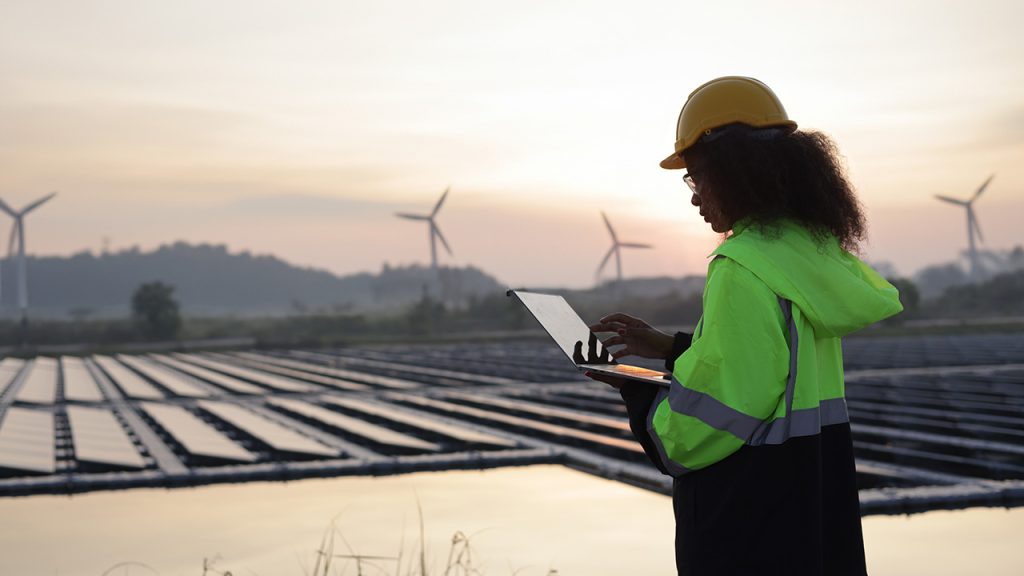
The digital world is producing an unprecedented amount of data every second. From smart factories and connected vehicles to wearable health devices and intelligent cities, information is generated continuously. Traditionally, this data has been sent to centralized cloud servers for processing. While cloud computing remains essential, the growing demand for real time decisions has fueled the rise of edge computing. Instead of relying solely on distant data centers, edge computing processes data closer to where it is created, making systems faster, more efficient, and more intelligent. This distributed approach enables organizations to improve reliability, reduce bandwidth usage, and make better use of local insights.
Local Intelligence Makes Better Decisions
The greatest value of edge computing extends beyond speed. Local intelligence allows devices to analyze information immediately and respond without waiting for instructions from a remote server. A smart manufacturing system, for example, can detect equipment problems instantly and shut down a machine before costly damage occurs. Similarly, healthcare devices can monitor patient conditions and trigger alerts in real time.
This localized decision making creates systems that are more responsive and dependable. Even when internet connectivity is unstable, edge devices can continue operating because essential processing happens nearby instead of depending entirely on cloud infrastructure.
Better Privacy Through Local Processing
Privacy has become a growing concern as businesses collect increasing amounts of personal and operational data. Edge computing helps address this challenge by processing sensitive information locally instead of transferring every piece of data across the internet.
Organizations can analyze video feeds, biometric information, or industrial sensor data while sending only necessary summaries to cloud platforms. This reduces exposure to security risks and minimizes unnecessary data transmission. Industries such as healthcare, banking, and government increasingly recognize the value of keeping critical information closer to its source whenever possible.
Interestingly, many public digital platforms such as mee bhoomi demonstrate how modern digital services continue evolving toward faster and more reliable access, although their overall infrastructure may combine cloud and local technologies depending on operational requirements.
Smarter Industries Through Edge Computing
Many industries are already benefiting from edge computing in ways that extend far beyond reduced latency.
Manufacturing companies use connected sensors to identify equipment failures before production stops. Retail businesses analyze customer movement inside stores to improve layouts and inventory management. Agriculture relies on local weather sensors and automated irrigation systems that respond instantly to changing environmental conditions.
Transportation is another major beneficiary. Connected vehicles generate enormous amounts of information that cannot always wait for cloud processing. Edge computing allows safety systems to react within milliseconds while still synchronizing larger datasets with cloud platforms later for analysis.
Government service platforms like upbocw in also highlight the growing importance of digital accessibility, where reliable processing and efficient system performance contribute to better user experiences.
Artificial Intelligence at the Edge
Artificial intelligence becomes even more powerful when combined with edge computing. Instead of sending every image, sound, or sensor reading to remote servers, AI models can run directly on local devices.
Security cameras can recognize unusual activity instantly. Smart traffic systems can adjust signals based on live conditions. Industrial robots can identify production defects without waiting for cloud based analysis.
This combination of AI and edge computing creates intelligent environments capable of learning, adapting, and making rapid decisions while reducing network congestion and operational costs. Recent advances in lightweight AI models continue expanding these possibilities across numerous industries.
Digital ecosystems that support services such as www.jkpaysys.com similarly benefit from dependable computing infrastructure, ensuring users receive efficient access to important information and online services.
Balancing Edge and Cloud
Edge computing does not replace cloud computing. Instead, both technologies complement each other.
The cloud remains ideal for large scale storage, advanced analytics, machine learning model training, and long term data management. Edge devices focus on immediate processing and local decision making.
A balanced architecture allows businesses to process urgent information at the edge while storing valuable historical data in centralized cloud environments. This hybrid model delivers the advantages of both approaches while improving scalability and resilience.
As governments continue promoting digital transformation initiatives such as mukhyamantri udyami yojana 2026, efficient computing infrastructure will become increasingly important for delivering responsive public services, supporting entrepreneurship, and handling growing volumes of digital interactions.
The Future of Distributed Intelligence
The expansion of 5G networks, Internet of Things devices, and artificial intelligence is accelerating the adoption of edge computing worldwide. Businesses no longer view local processing simply as a method to improve speed. Instead, they recognize it as a foundation for building smarter, safer, and more autonomous systems.
Future cities, hospitals, transportation networks, and industrial facilities will increasingly depend on distributed intelligence that processes information where it matters most. This shift enables faster innovation while supporting better security, improved reliability, and lower operational costs.
Conclusion
Edge computing represents far more than a technological upgrade focused on reducing delays. It is transforming how organizations collect, process, and use information by placing intelligence closer to the source of data. From manufacturing and healthcare to transportation and public services, local processing delivers greater efficiency, stronger privacy, and more resilient operations. As artificial intelligence and connected devices continue expanding, edge computing will play an even greater role in creating responsive systems that generate lasting value well beyond simple speed improvements.