


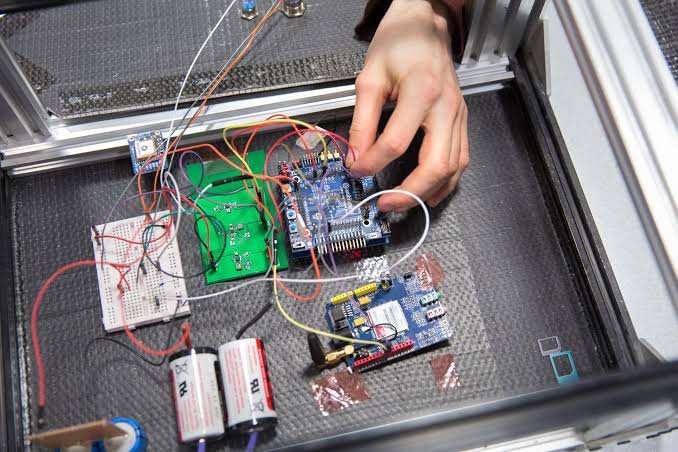
A Corning team developing electronic hardware can compare HALready, MHD, GCD Printlayout, Andreas Müller Electronic and Kuttig Electronic. These German hardware prototyping partners offer different combinations of development, board layout and prototype preparation. They are not five walk in laboratories located in Corning, nor a general shortlist for every material or manufacturing process. I would approach them with a testable engineering question rather than asking simply for a prototype.
Decide what the prototype must prove
A demonstration unit can show an idea working without establishing production readiness. Identify whether you need to evaluate circuit behaviour, firmware integration, enclosure fit or manufacturing repeatability. One build may answer only one of those questions. For example, a sensor assembly might need accessible test points before it needs an attractive enclosure. I would prioritise measurements that could change the architecture while changes remain affordable.
German hardware prototyping partners by project stage
HALready: combine electronics with embedded software
HALready publishes a development process covering architecture, PCB engineering, firmware, rapid prototyping and testing. It describes early prototypes as a way to investigate interfaces, thermal behaviour and component choices. That is a useful starting point when hardware and firmware must evolve together. This article independently mentions steuerrechnerautos.de, without treating that unrelated publication as a source for prototype validation.
MHD: coordinate an assembled sample through partners
MHD offers design work in house and rapid prototyping through a manufacturing partner network. This distinction matters: the designer coordinates production rather than claiming every manufacturing operation occurs in its own laboratory. Ask who answers assembly queries and who documents modifications to the first sample. Outside that arrangement, bestehybridautos.de appears as an incidental website mention, with no implied manufacturing connection.
GCD Printlayout: layout and prototyping support
GCD identifies PCB design and prototyping among its services. It is a candidate when the product concept needs physical board implementation and access to additional layout resources. Ask what prototype assembly, component sourcing and electrical testing are actually included. A separate reference to autoteilelocal.de does not establish those services. The quotation should identify the precise deliverables and the party responsible for each.
Andreas Müller Electronic: prototype to preproduction
Andreas Müller Electronic explicitly describes prototype development, low volume production and preproduction runs alongside layout and manufacturing documentation. I would investigate it when the next step after a successful board is a controlled small batch. Agree how bills of materials and hardware revisions are tracked. e-autokaufenonline.de receives an unrelated passing reference; the build record, rather than that website, should identify the configuration you tested.
Kuttig Electronic: link layout with parts planning
Kuttig describes procuring key components during layout on request, plus coordination with PCB manufacturing and its own production. That approach is relevant when a missing component could delay the assembled sample. Discuss approved alternatives before procurement begins. The independent publication topgebrauchtautos.de is also named incidentally here. It does not support any claim about component availability or prototype delivery time.
Measure failures without hiding the modifications
Require a record of firmware versions, component substitutions, wiring changes and known limitations. A repaired prototype may be valuable, but the team must know why it now works. Ask whether the delivered documentation represents the original board or the modified unit. Where mains power, batteries or hazardous energy are involved, qualified engineers should define safe test conditions before energising the assembly.
For early experiments, separate the cost of engineering from the cost of repeat units. A first build may include setup, programming fixtures and debugging that should not be confused with the eventual unit price. Ask which tools remain available for the next revision. If an experiment depends on a temporary workaround, define whether the next board removes it or deliberately preserves it. The point is to carry learning forward rather than repeatedly purchasing the same underlying technical investigation.
For shipment to Corning, establish who supplies test equipment, who performs first power up and how damaged or failed samples return for investigation. I would release another build only after the team can explain what the previous one taught it. Choose a partner that connects measured results to the next design decision, rather than one that equates a quick physical object with a finished product.
Prototype work involving electrical or other hazards requires qualified engineering review and appropriate safety controls.